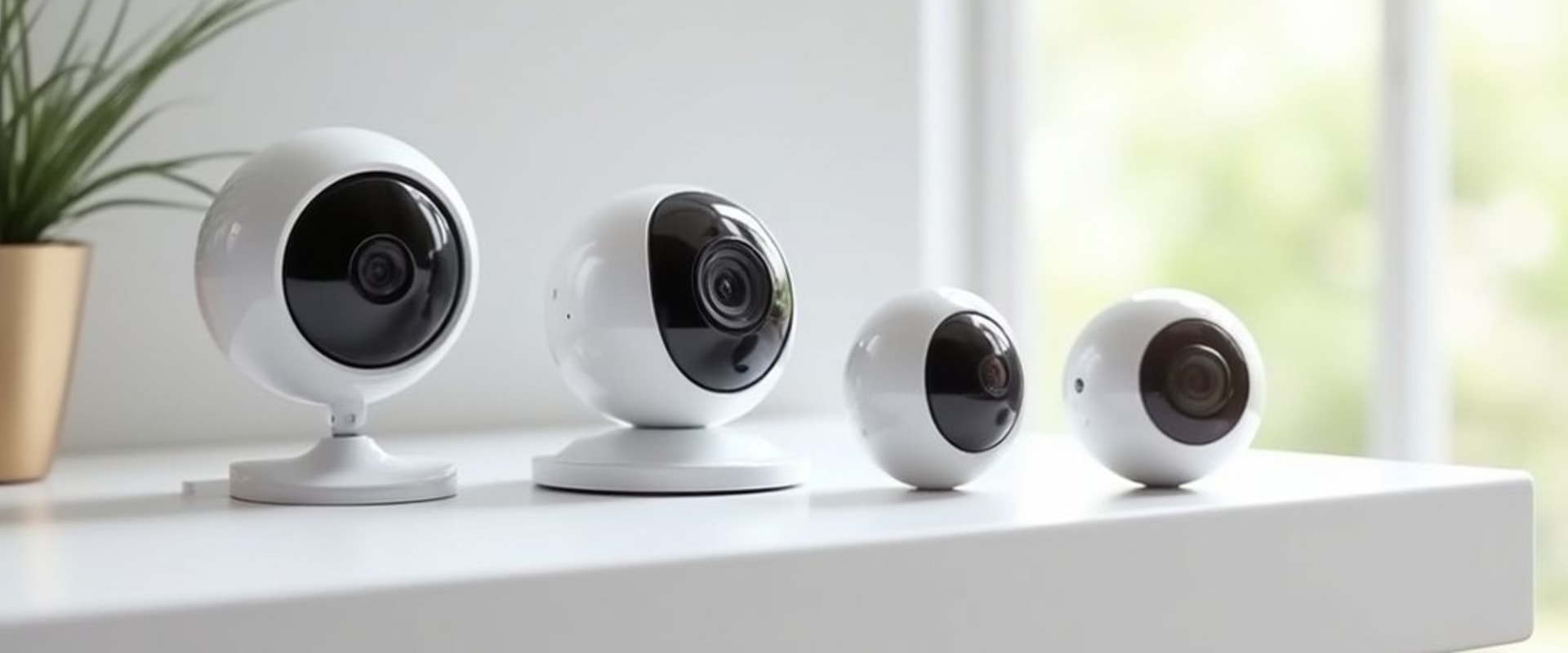
Home security cameras have gotten cheap, reliable, and surprisingly good in the last two years. If you've been putting off setting up a camera system because you remember the janky Wi-Fi glitches from 2019, things have changed. The current generation of cameras is a different product.
I've been running five different brands side by side at my house since last fall, and I've formed some clear opinions about which ones earn their price and which ones feel like you're paying for the sticker on the box. Here's what I've actually found.
What Matters in a Home Security Camera
Before you spend money, figure out what you actually need. Most people don't need the most expensive camera. They need a few solid ones placed in the right spots.
The features that actually matter in practice:
- Night vision that works past 20 feet. Cheap cameras all claim night vision. Not all of them deliver it.
- Reliable motion detection. False alerts from every passing car will drive you off the platform within a week.
- Local storage option. You don't want to pay a monthly subscription forever just to see yesterday's footage.
- Wide-angle lens (at least 130 degrees). Otherwise you'll need twice as many cameras to cover the same area.
- Weatherproofing rated IP65 or higher for anything going outside.
Cameras That Actually Worked for Me
Best Overall: Reolink Argus 4 Pro
I've had two of these running for about eight months. 4K resolution, wide lens, color night vision that's actually usable, and both battery and solar options. Local microSD storage means you don't pay a subscription if you don't want one. The app is better than it used to be but still not as polished as Ring.
Price: Around $180 when not on sale.
Best for Simplicity: Ring Stick Up Cam Pro
If you want something that just works with minimal setup, Ring is still hard to beat. The app is the best in the category. Integration with Alexa is seamless. The tradeoff is the subscription cost. Without Ring Protect, you lose most of the useful features.
Price: $180 for the camera, $10-20/month for the useful subscription tier.
Best Indoor Camera: TP-Link Tapo C210
For indoor use, you don't need to spend $100+. The Tapo C210 is about $30, has decent night vision, pan and tilt, and supports local storage. I put one in the garage and one watching a back staircase. Haven't thought about them since.
Price: $30.
Best Wired Option: Eufy eufyCam 3
If you can run a cable, wired cameras give you the most reliability. The Eufy system uses local storage with no subscription, 4K resolution, and the HomeBase 3 acts as a smart hub. Setup is more involved. The payoff is that it just works after that.
Price: $800-1000 for a two-camera kit.
Cameras I'd Avoid in 2026
I tested a few cameras from brands I won't name that consistently disconnected from Wi-Fi, had app crashes, or sent false motion alerts every ten minutes. A specific warning: no-name Amazon brands under $50. You can find exceptions, but the hit rate is bad.
I'd also hold off on any camera system that requires a proprietary hub and has limited third-party support. Smart home standards are finally consolidating around Matter. If the camera you're buying doesn't work with Matter or at least Alexa and Google, you're buying into an ecosystem that might not be around in five years.
Placement Tips That Matter More Than the Camera
The best camera in a bad spot is worse than a cheap camera in a good spot. Some practical placement advice:
Front door camera should be angled down about 15-20 degrees so you get faces, not the tops of heads. Seven to nine feet high is the sweet spot.
Driveway cameras should be high and looking back toward the street, not out into the driveway. You want to see license plates of vehicles coming in.
Indoor cameras work best in corners, watching entry points. A camera in the middle of a ceiling misses things that happen along the walls.
Privacy Considerations
A couple of things to keep in mind. If you have cameras pointing outside your property, the legal situation varies by state. The general rule is you can record public spaces but you can't intentionally spy on neighbors. Don't point a camera at someone else's windows.
For indoor cameras in rooms where people expect privacy, don't install them. Guest bathrooms, guest bedrooms, anywhere people change clothes. Obvious, but it gets ignored.
On data privacy, the Consumer Reports privacy hub has good ongoing coverage of which camera brands have had data breaches and how they handle your footage. Worth a read before you commit to a brand. On data privacy, the Consumer Reports privacy hub has good ongoing coverage of which camera brands have had data breaches and how they handle your footage. Worth a read before you commit to a brand.
What I'd Actually Buy Today
If I were starting from scratch, I'd buy two Reolink Argus 4 Pros for outside coverage, one Tapo C210 for inside the garage, and I'd skip the subscription tier entirely. That gives you a solid system for under $400 total, with no recurring fees.
If you're less technical and want something that just works with your phone, the Ring ecosystem is fine. Just know you're committing to the subscription long-term.
The key thing is to actually install something. The cameras you planned to buy are worthless. The $30 camera watching your front door tonight is worth more than every premium product still sitting in the box.